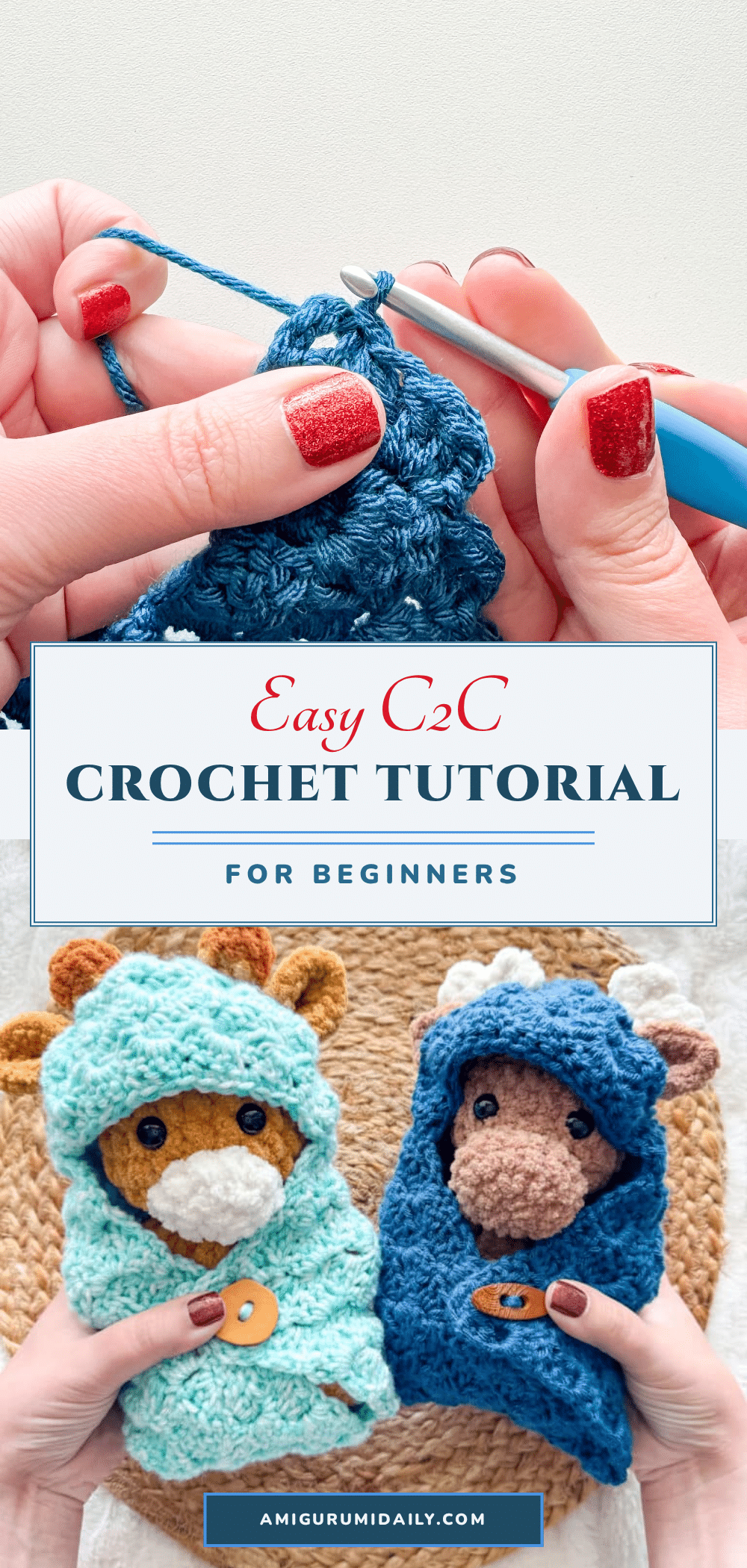
Corner to corner crochet is a versatile and efficient technique that allows you to create beautiful, textured fabrics by building blocks diagonally. This method is perfect for making cozy blankets, stylish graphgans, and even adorable accessories for your favorite handmade friends. Whether you are looking to create a gift for a baby shower, a decorative piece for your home, or a charming swaddle for an amigurumi collection, mastering C2C opens up a world of creative possibilities. This tutorial breaks down the process into simple, manageable steps, ensuring you can start your next project with confidence.
Our Touch: Gift and Use Ideas
While corner to corner crochet is famously used for large blankets, its modular nature makes it incredibly adaptable for smaller, heartfelt gifts. One of the most charming applications is creating custom swaddles for amigurumi animals. Imagine gifting a stuffed fox or alpaca with a tiny, perfectly matched C2C blanket—it adds a layer of personality and care that standard accessories just can’t match. Beyond toys, this technique is excellent for market-table items like washcloths and placemats, where the diagonal stitch pattern adds visual interest without requiring complex color changes. The method works up quickly, making it an ideal choice for last-minute handmade presents that look substantial and well-crafted.
Project Overview
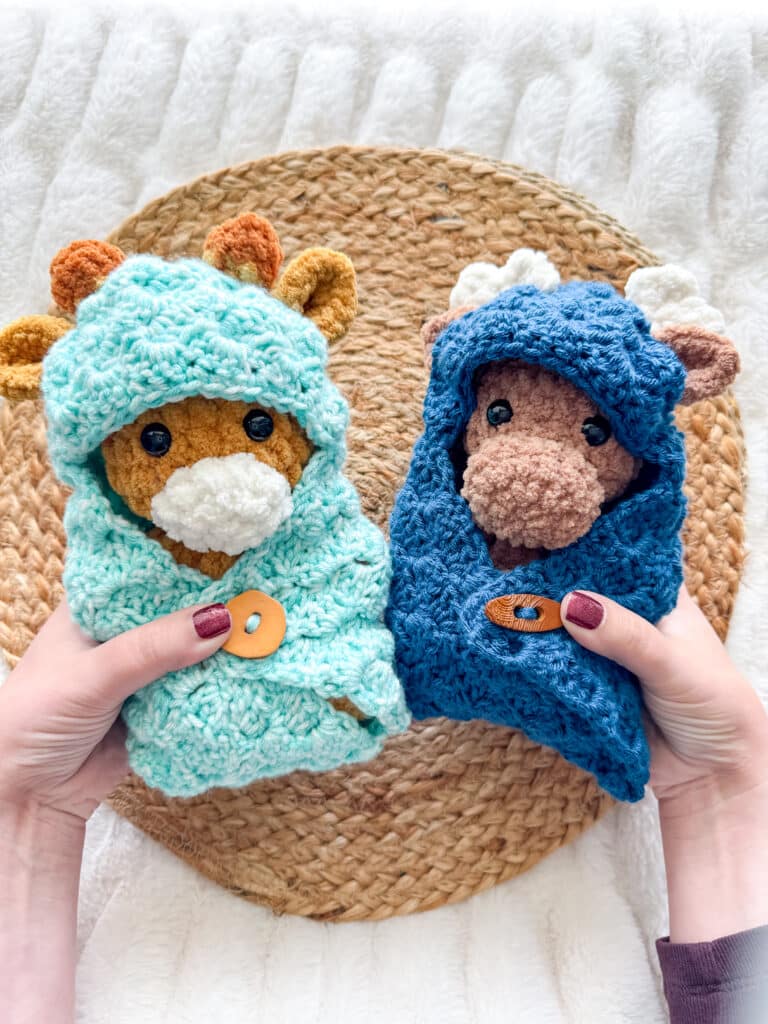
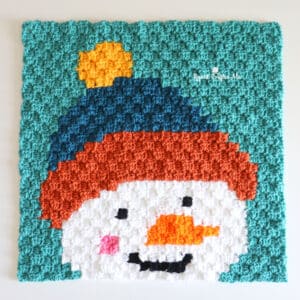
Corner to corner crochet is a diagonal construction method where you build your project block by block, starting from one corner and working toward the opposite diagonal point. This technique is favored for its speed and yarn efficiency, and it serves as the foundation for graphgans—blankets that use color changes to create pixelated images. The core unit of this pattern is the C2C block, which consists of double crochets and chains. By learning how to increase at the beginning of rows and decrease at the end, you can create squares, rectangles, or any shape your design requires.
Materials
While specific yarn and hook recommendations depend on your desired finished size, the following materials are generally suitable for corner to corner projects:
- Yarn of your choice (worsted weight is common for blankets, while lighter weights work well for amigurumi swaddles)
- Appropriate crochet hook for your yarn weight
- Yarn needle for weaving in ends
- Stitch markers (optional, for tracking corners)
Gauge and Finished Size
Gauge and finished size will vary based on your yarn weight, hook size, and tension. For a standard blanket, aim for a consistent block size to ensure the fabric lays flat. For amigurumi swaddles, smaller blocks using lighter yarn and a smaller hook will create a delicate, proportional accessory for your stuffed friends.
Abbreviations
Standard US crochet abbreviations are used in this pattern:
- ch: chain
- dc: double crochet
- sl st: slip stitch
- rep: repeat
Pattern Notes
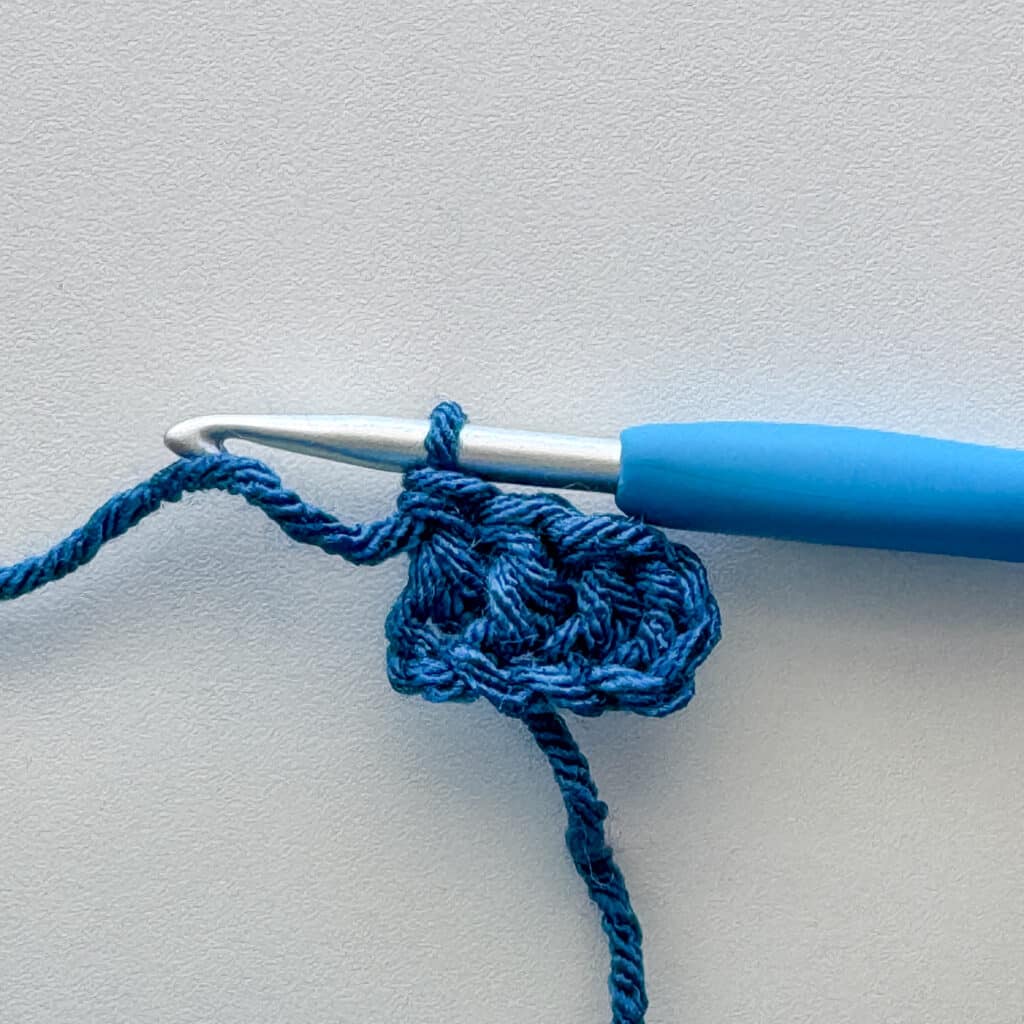
Corner to corner crochet is built using specific blocks. Each block is made with 3 double crochets and a few chains. The key to successful C2C is understanding how to increase to start a new row and how to decrease to finish a row. The blocks are ideal for graphgans, where precise color placement creates images. This method is also highly effective for cotton wash cloths, baby blankets, and small accessories like the stuffed animal swaddles mentioned in the source inspiration.
Pattern Instructions
How to Crochet Corner to Corner (Increasing)
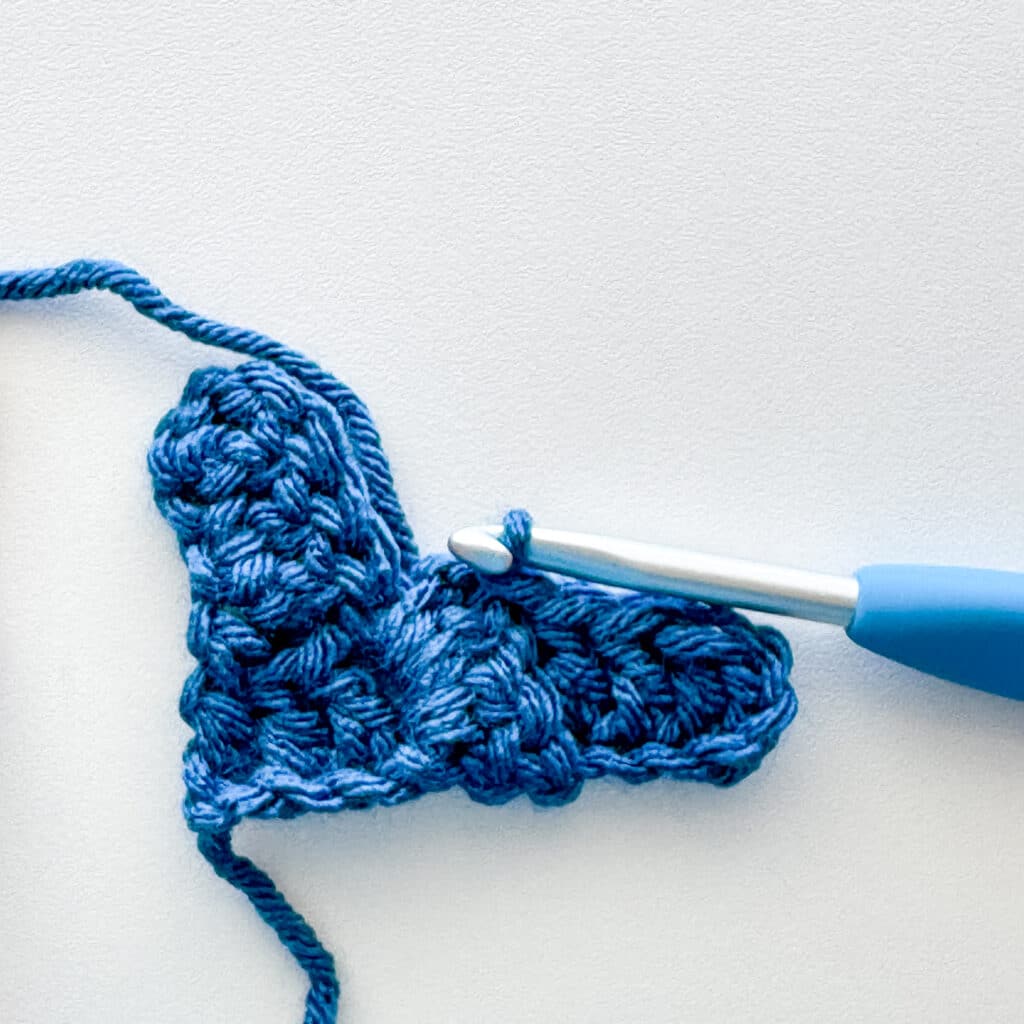
You will begin your corner to corner projects by creating the initial block and then building upon it diagonally.
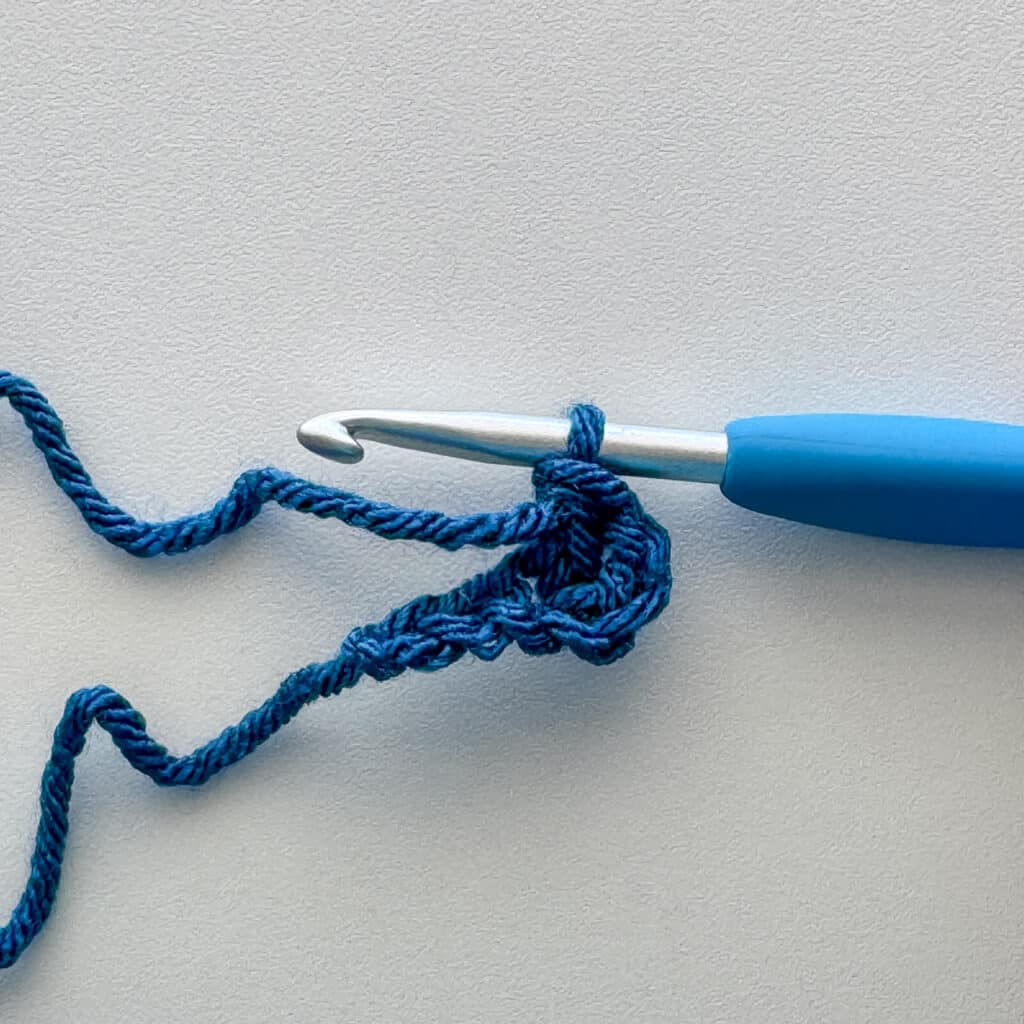
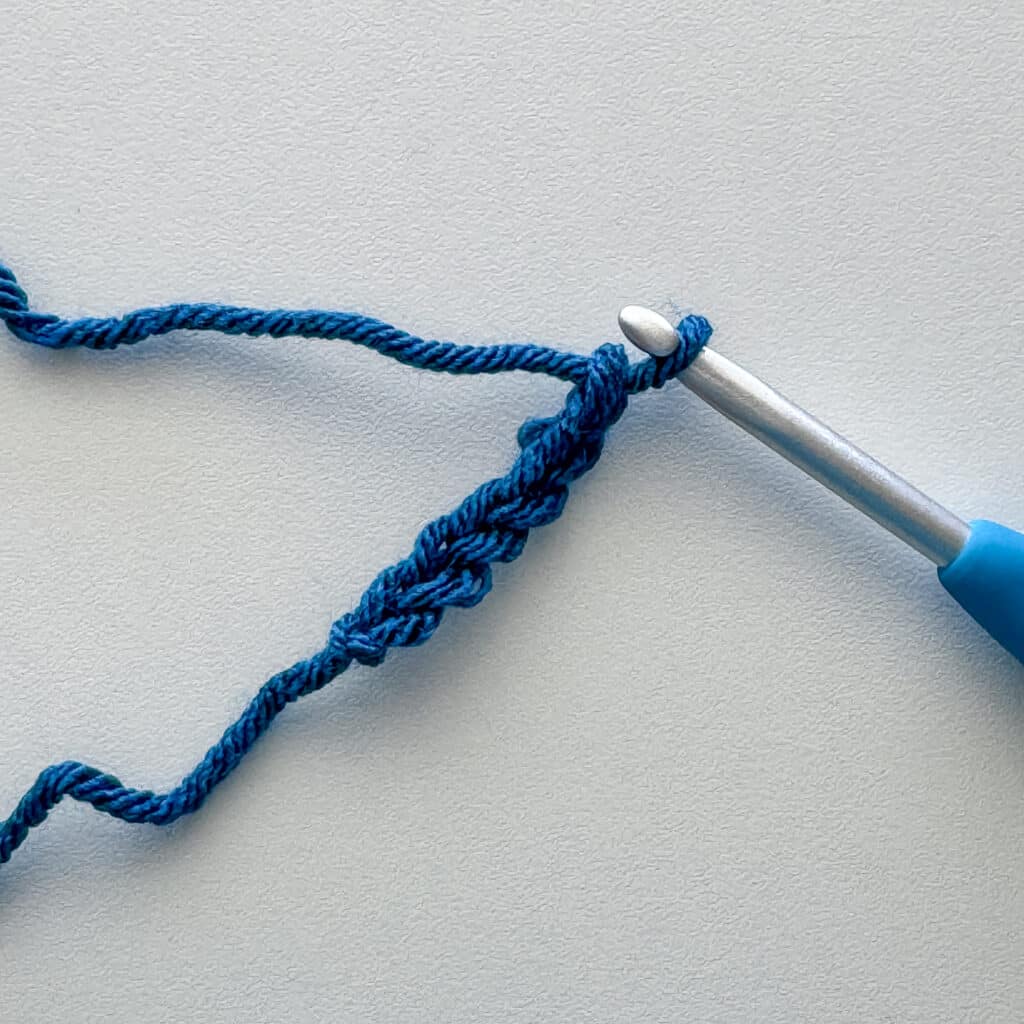
- Start the First Block: Chain 6. Chain 4 from the hook, then work a double crochet (dc) in the same chain. Double crochet in the remaining two chains. This creates a total of 3 dc plus the loop from the chains, forming one finished block.
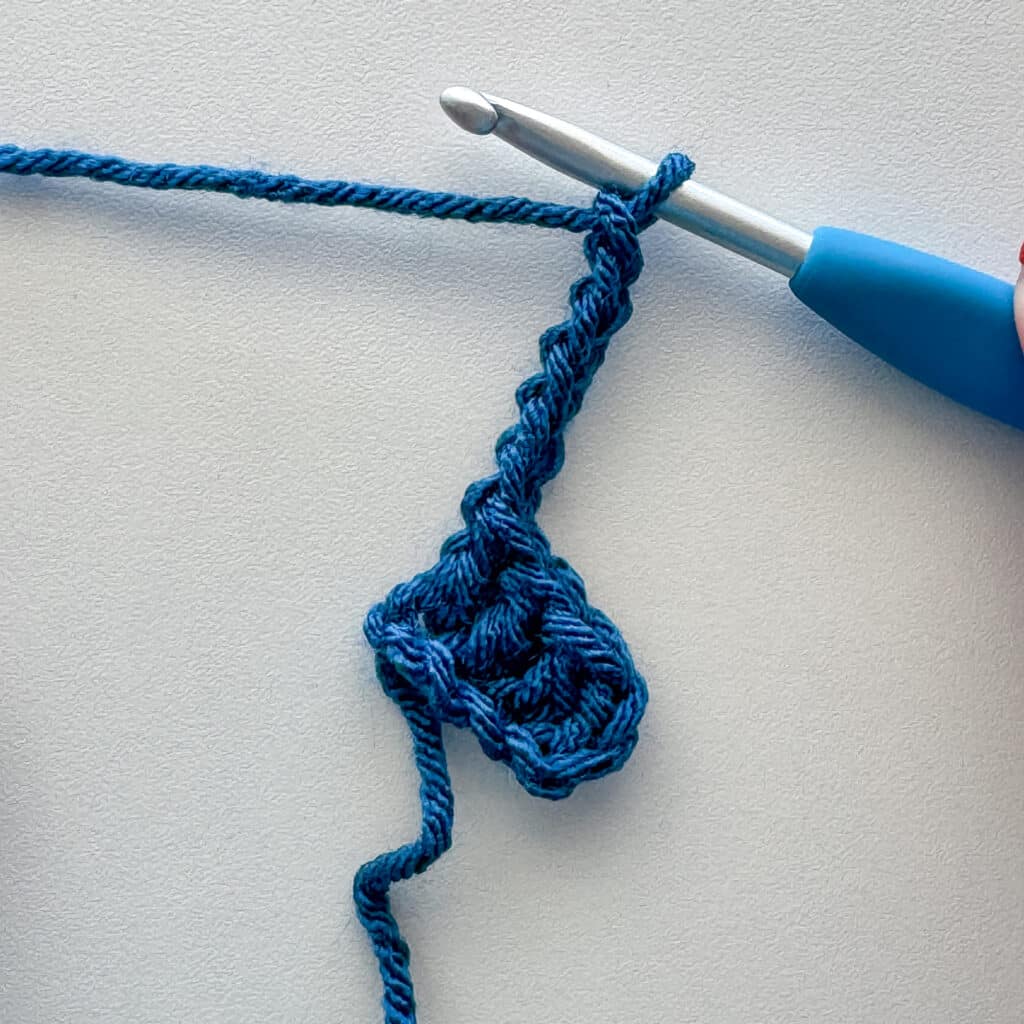
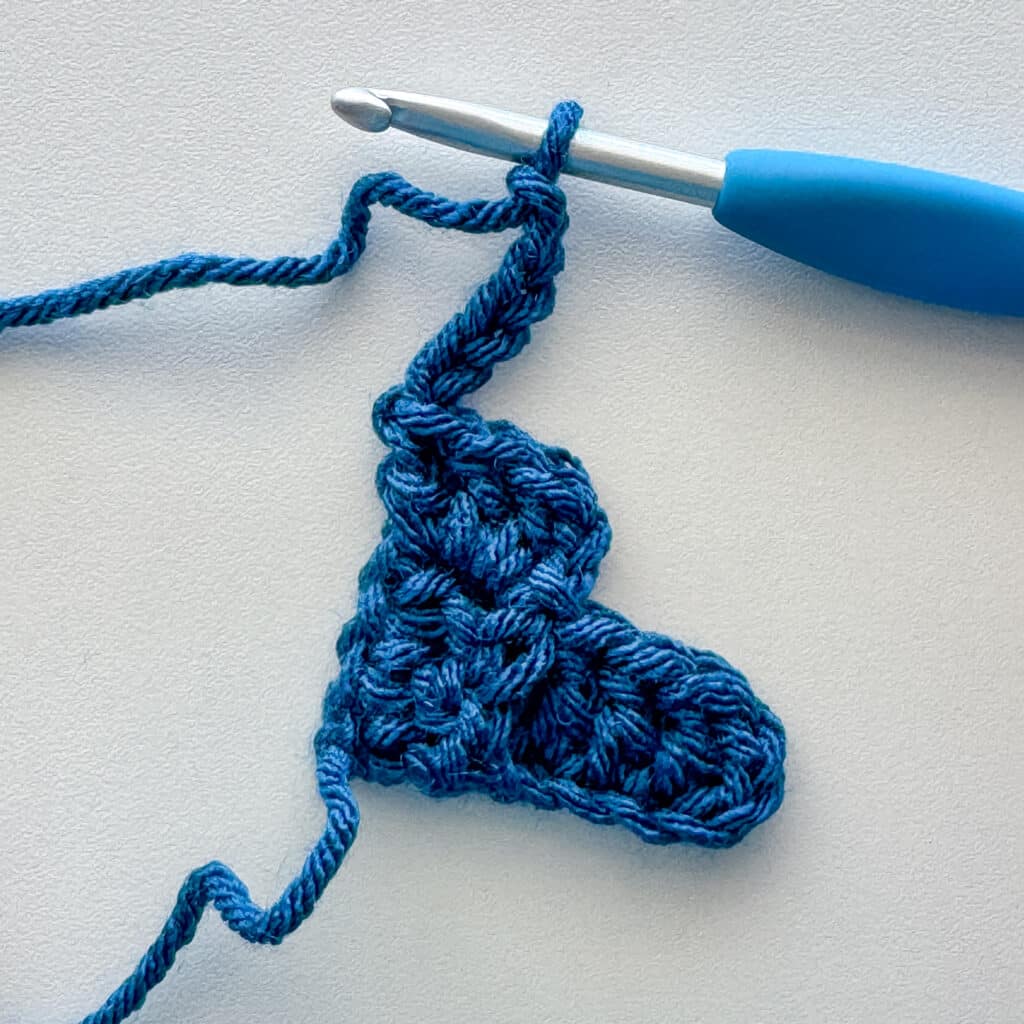
- Start the Second Row: Chain 6. Repeat the steps to make another block (3 dc into the chain space). Twist this new block and attach it with a slip stitch to the loop made by the chains before you double crocheted in the previous block.
- Continue Building: Chain 2. Crocheting around the loop made by the chains, double crochet 3 times. You have now added a new block on top of the previous one.
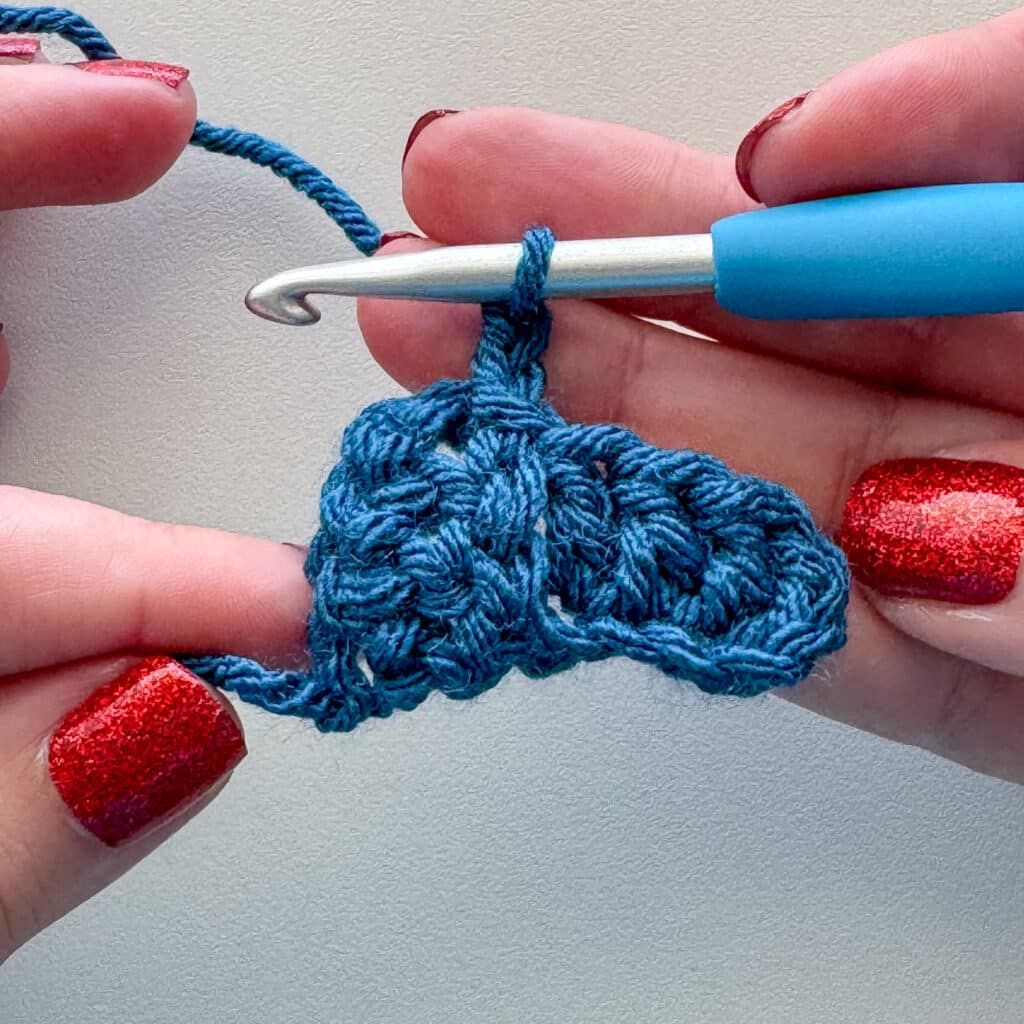
- Repeat: Chain 6 again. Twist and attach with a slip stitch to the loop made by the chains before you double crocheted in the previous block. Chain 2, then double crochet three times in the loop. Repeat this process to make any size C2C blanket or project.
How to Decrease on C2C Crochet
To finish a row and begin decreasing, follow these steps on the last block of the row:
- Slip Stitch: Slip stitch into the three chains on the block below. From this point, you are not going to increase anymore; you are “closing the row.”
- Chain and Connect: Chain 3. Slip stitch to the top of the block.
- Continue Pattern: Chain 2, then double crochet three times in the loop, just as you normally would. Continue the corner to corner crochet pattern until you reach the end of your desired shape.
Assembly
Corner to corner crochet is typically worked in one piece, so no sewing is required for the main fabric. Simply weave in your ends securely using a yarn needle. If you are creating separate blocks for a larger project, join them using slip stitches or a mattress stitch for a seamless look.
Tips
- Consistent Tension: Keep your tension even to ensure your blocks remain uniform. Tight blocks can cause the fabric to curl, while loose blocks may result in a floppy fabric.
- Graphgan Planning: If you are making a graphgan, sketch your design on graph paper first to plan your color changes accurately.
- Amigurumi Swaddles: For a quick project, make a small swaddle for your stuffed animals. This is a great way to practice C2C without committing to a large blanket.
FAQs
What is the best yarn for corner to corner crochet?
Worsted weight yarn is popular for blankets because it works up quickly and creates a sturdy fabric. For amigurumi accessories like swaddles, a lighter weight yarn with a smaller hook will create a more delicate and proportional finish.
How do I fix a twisted block in C2C?
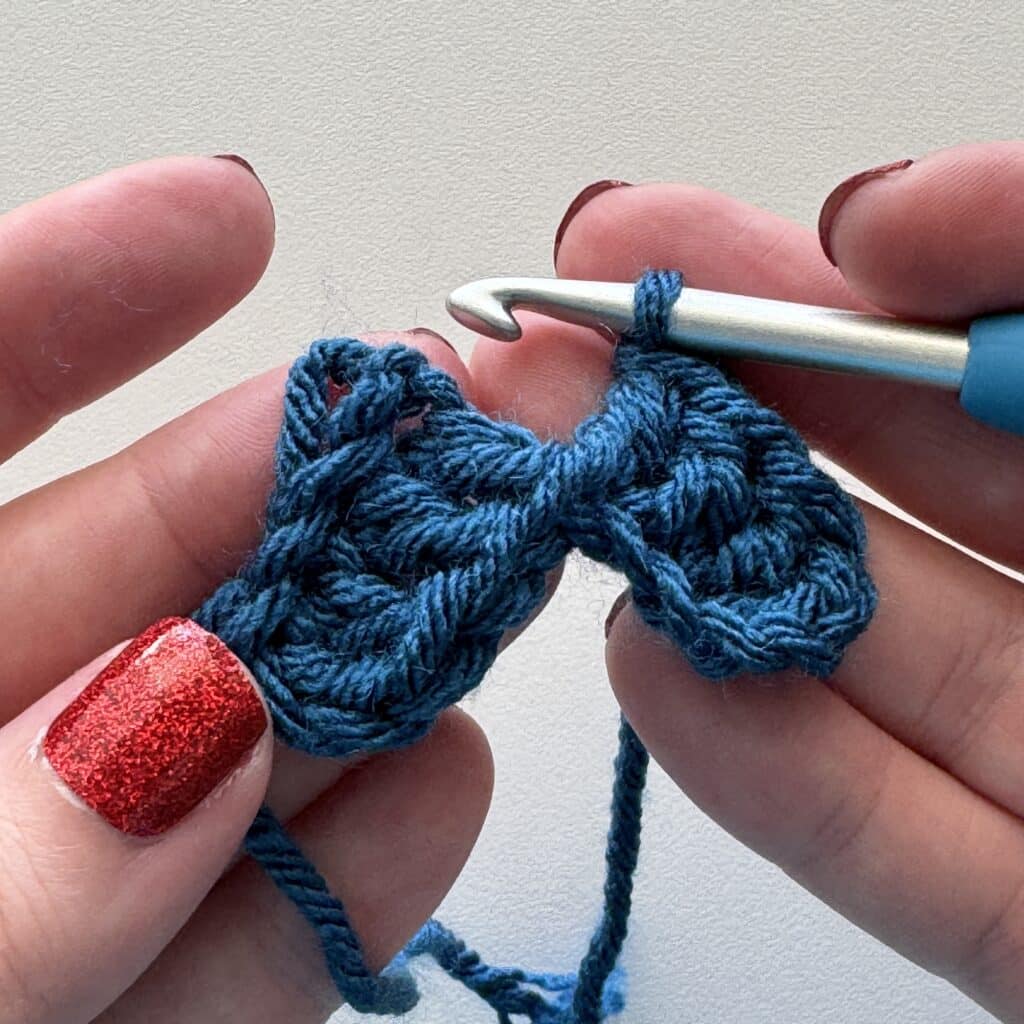
If a block looks twisted, ensure you are attaching the new block to the correct loop (the chain space created at the start of the previous block). The slip stitch should go through the loop made by the chains before the double crochets were worked.
Can I make rectangles with corner to corner crochet?
Yes. To make a rectangle, you will increase until you reach the desired width, then work even rows (decreasing at the start and end of each row) until you reach the desired length, before decreasing to finish the shape.
What is a graphgan?
A graphgan is a crochet blanket made using a grid pattern, often created with C2C or single crochet, where color changes form a picture or design.
How do I decrease properly to avoid holes?
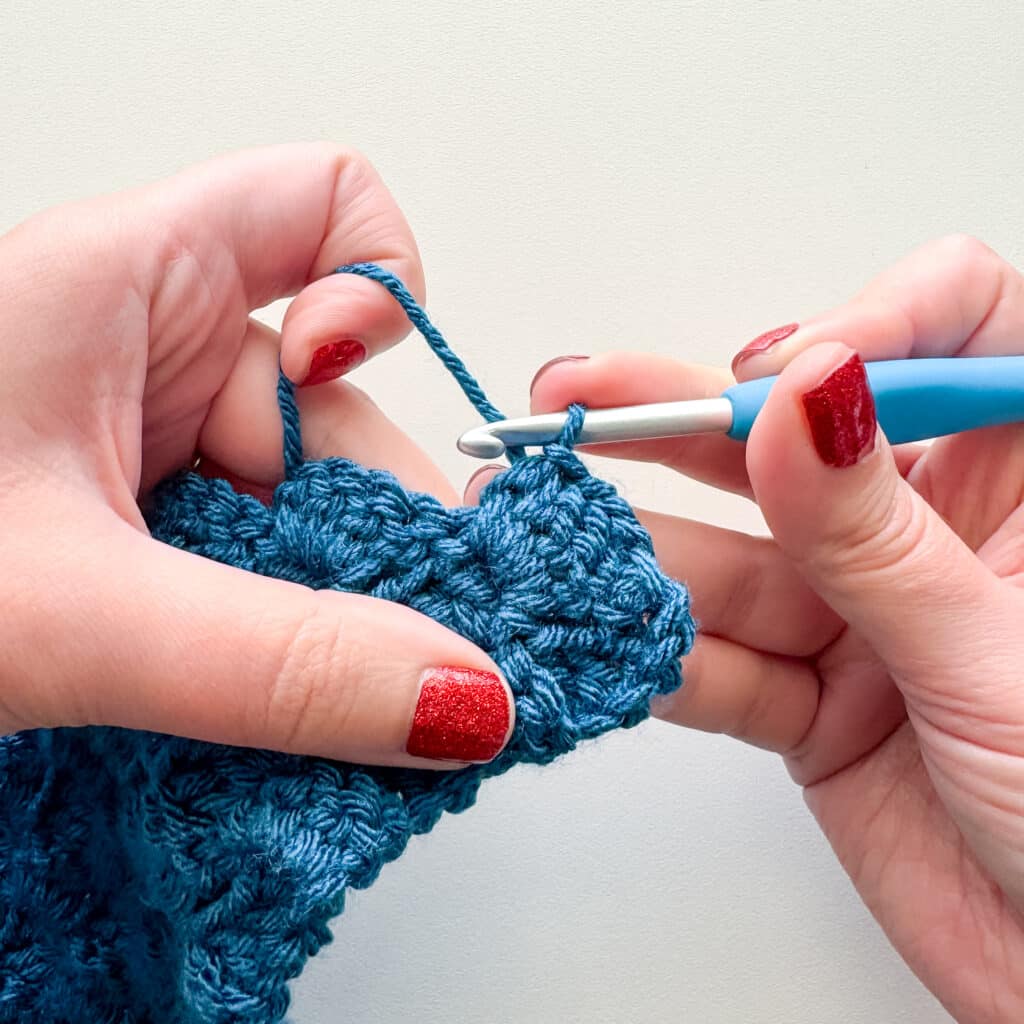
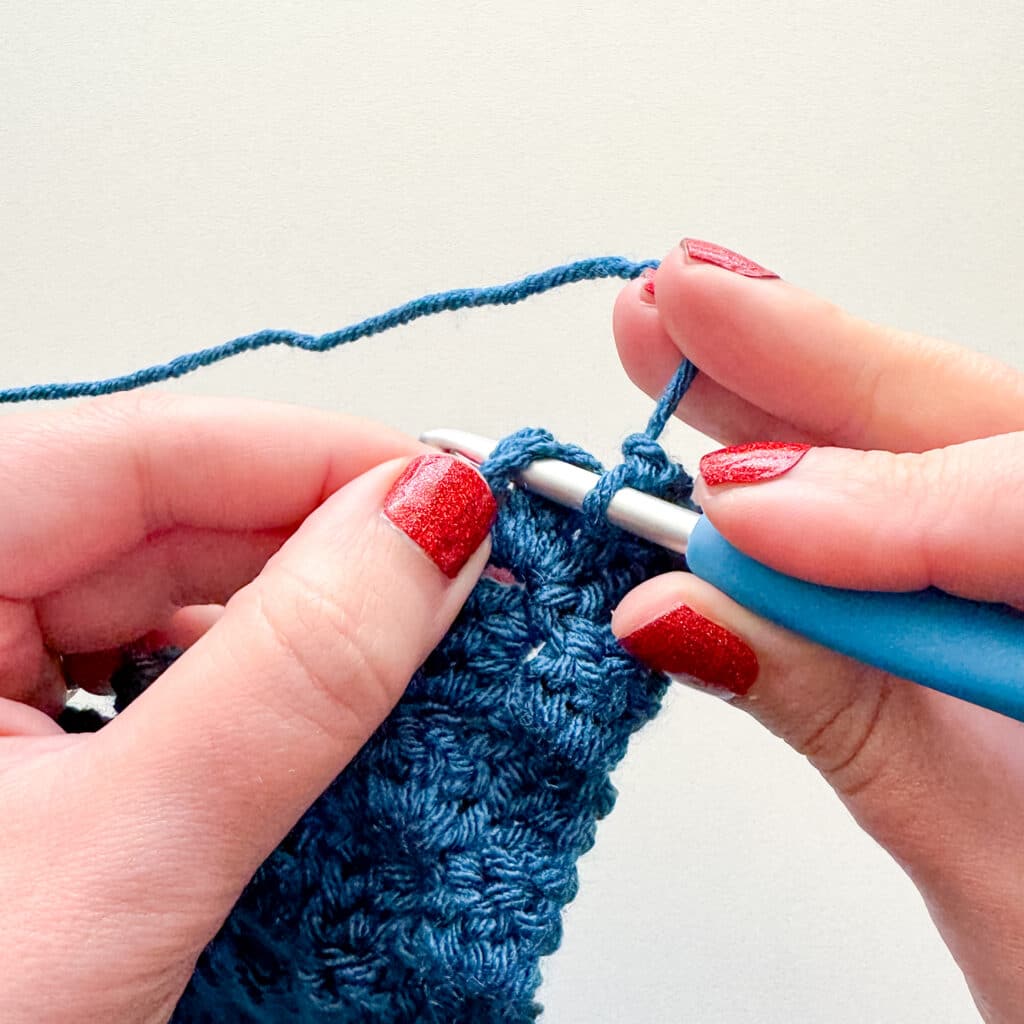
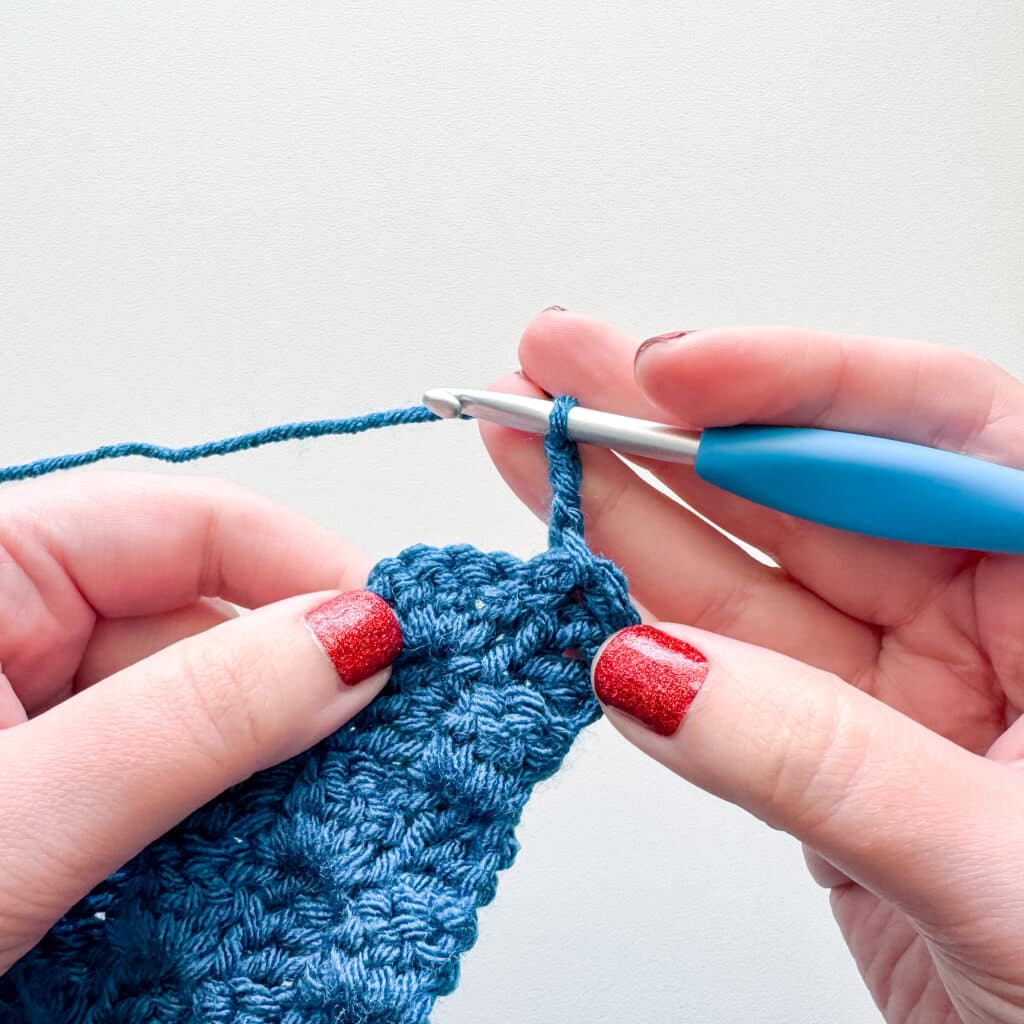
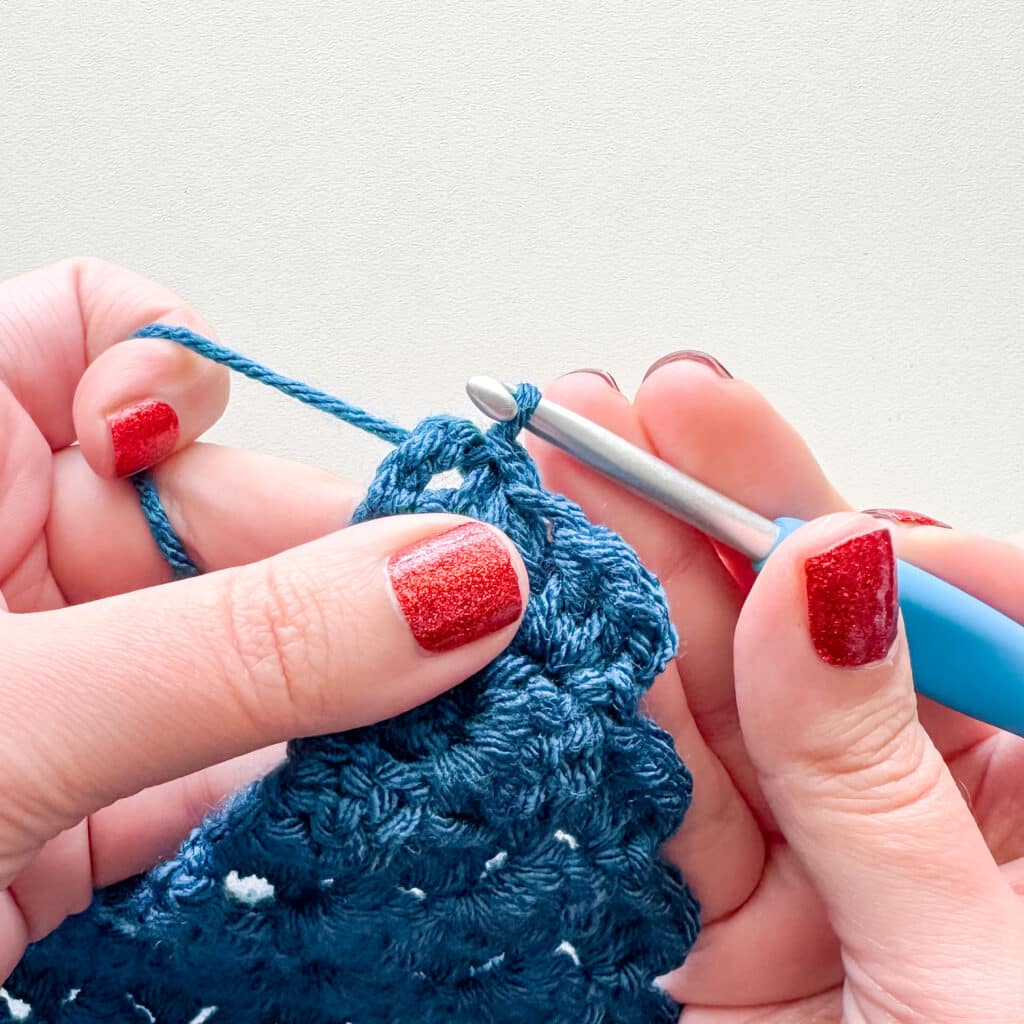
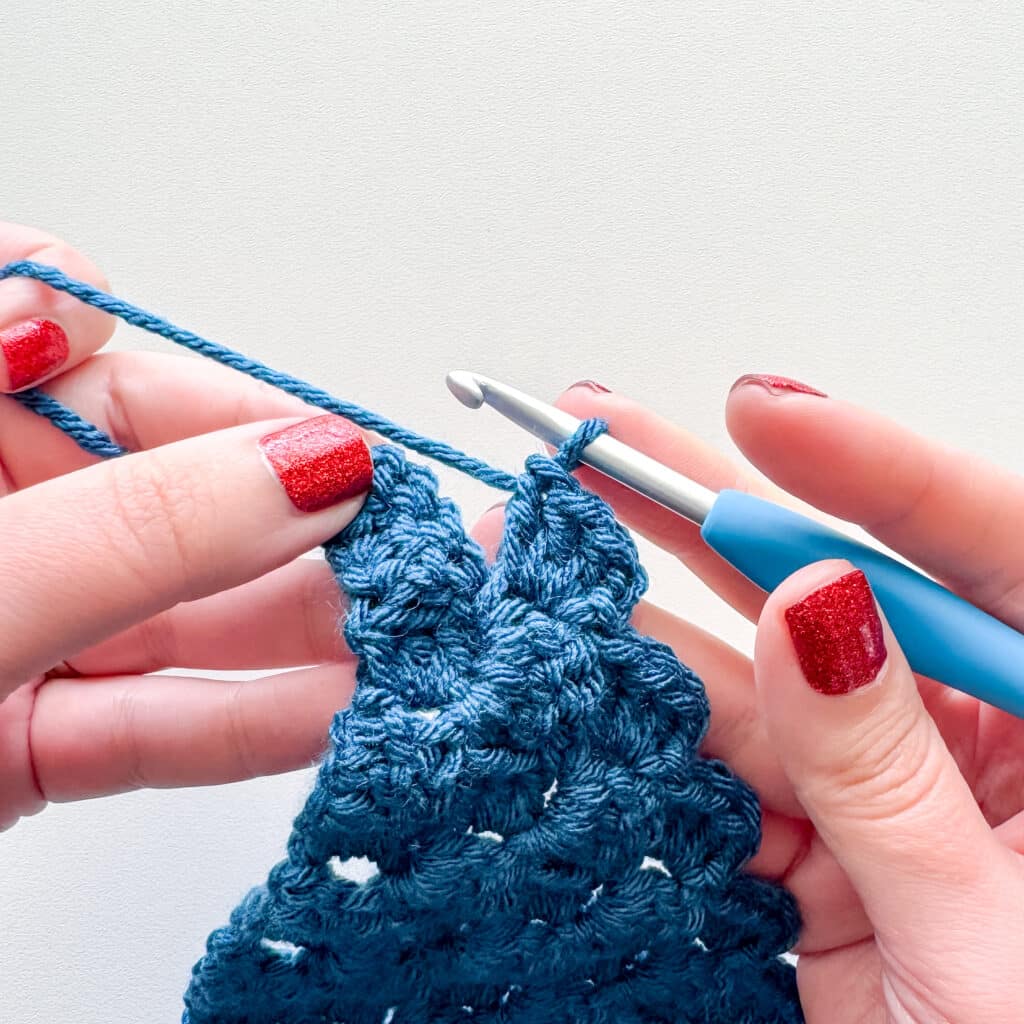
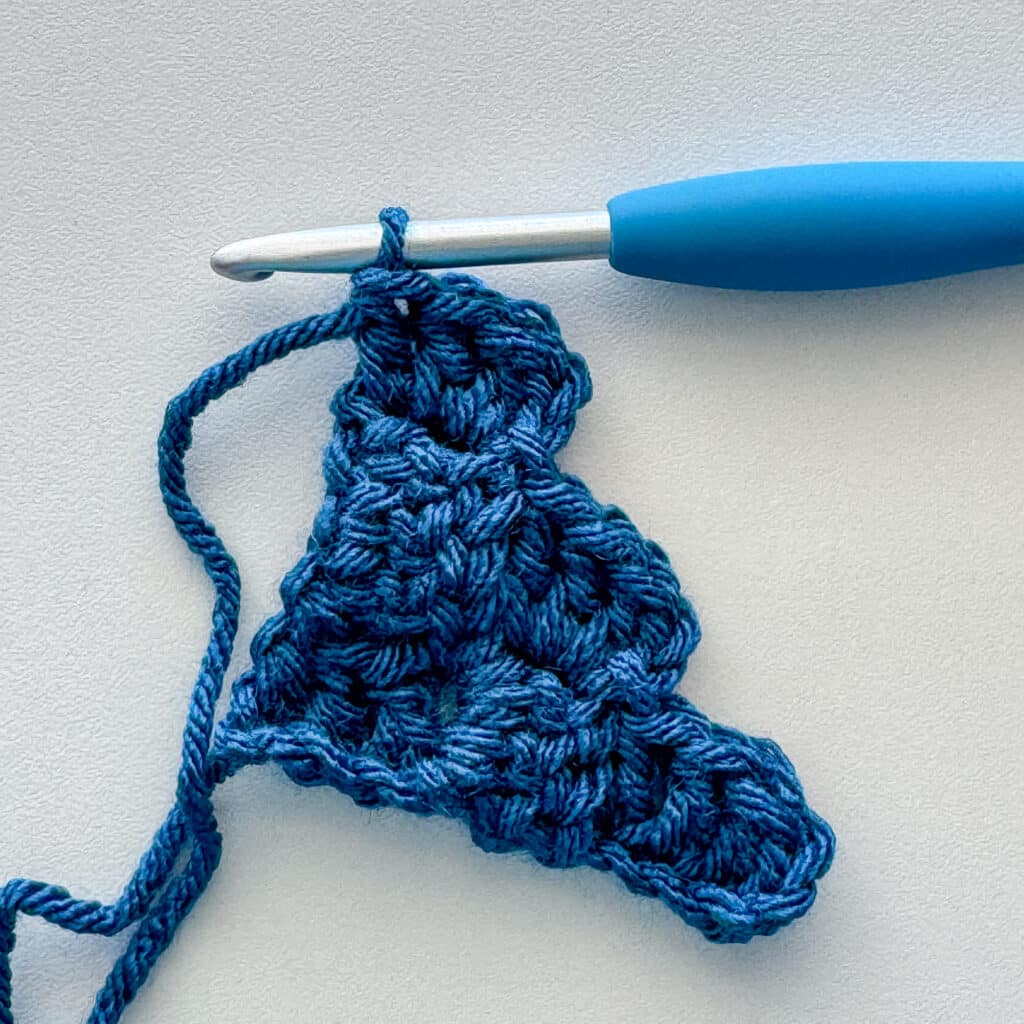
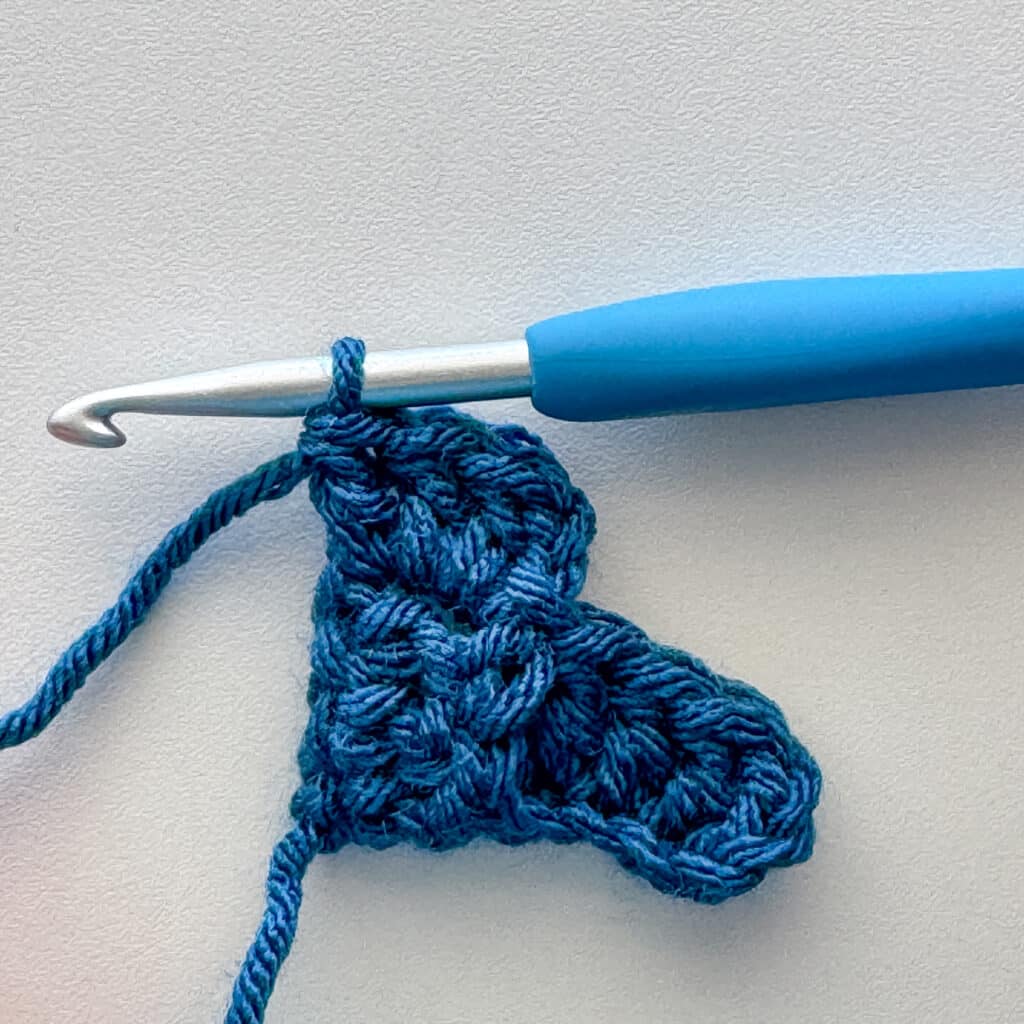
When decreasing, ensure your slip stitches are snug but not too tight. The transition from increasing to decreasing should be smooth, maintaining the diagonal line of the fabric.
Pin This Crochet Pattern!